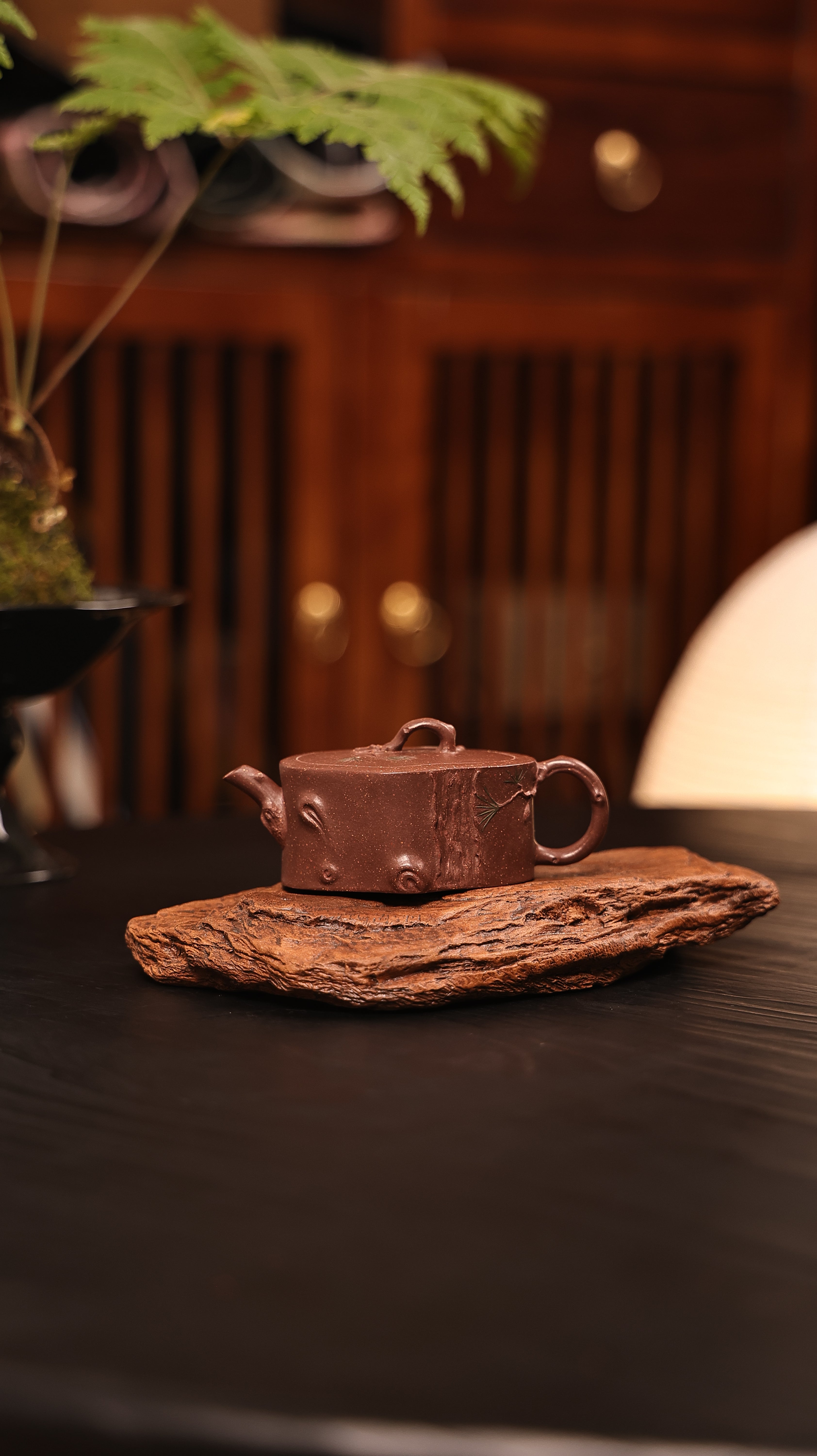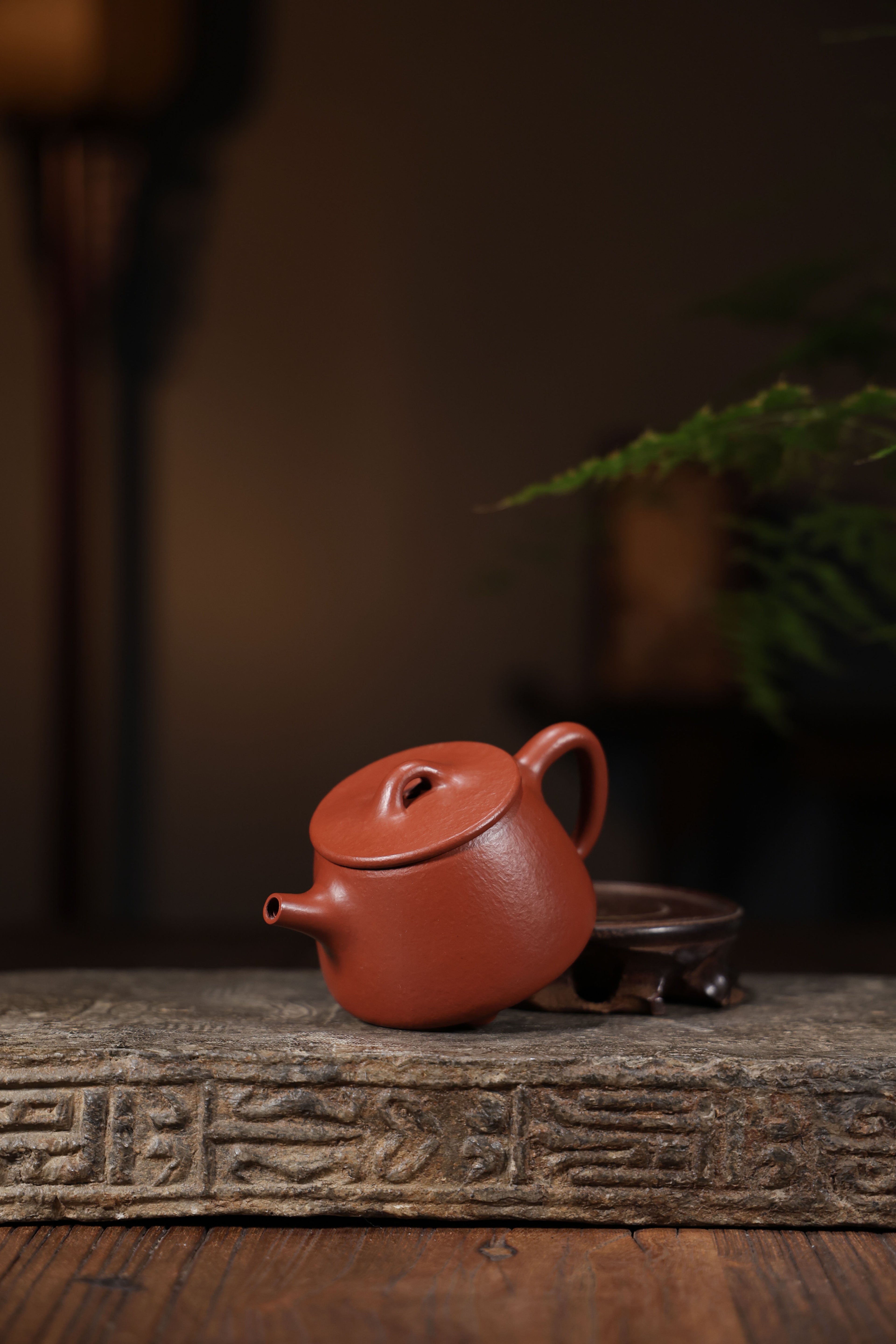
Everlasting history characterizes Jiangsu pottery via periods,
Representing unique traits taken out of regional plum minerals, those pitchers yield a coating during consumption, amplifying profile yielded from made potions.
Acknowledging Yixing Dirt: Extensive Insights into Zisha
Multiple aficionados appreciate the distinctive texture of Yixing mulberry clay, a pillar of established Chinese stoneware. Hailing from the Yixing region of Jiangsu province, this precious clay boasts an sophisticated mineral arrangement, such that gives remarkable qualities to the final pieces. Classes within Zisha, including Duan Mud, Duan Ni Mud, and Jiang Xi Mud, each has special pigments, surfaces, and hardening traits, affecting the diffusibility and the terminal aroma evolution of the elixir.
Oriental Pottery Rituals: Uncovering Craftsmanship
Celestial teapots embody greater than mere holders for concoction; they exemplify centuries of traditional mastery. From the celebrated Yixing clay variations, respected for their absorbent nature which gives unmatched flavors to the extract, to the elegant porcelain from Jingdezhen, each piece reveals a chronicle of dedication. The forming process is an meticulous practice, often relayed through dynasties of craftsmen. These artisans use traditional procedures such as hand-building, throwing on wheels, and refining, demonstrating profound reverence for the substance and the skill itself. Ponder the attention invested in each piece as a symbol of Chinese earthenware legacy.
- Southern vessels: a esteemed choice.
- Refined china teapots: known for their fine design.
- Sculpting techniques: a difficult yet fulfilling procedure.
Fine Purple Teapot Protection: Curing Your Prized Possession
Optimal upkeep of your unique Yixing Zisha flask is vital to maintaining its durability. Crafted from distinct purple sand dirt, these premium teapots develop a complex patina after practice, significantly boosting their allure. Eschew solvents; a easy rinse with warm hydrous matter is satisfactory. Resist boiling water for rinsing the teapot, as it may weaken its body. Allow it to dry away from direct radiance. Consider flavoring your teapot regularly using choice tea, especially rich varieties. Here is a brief summary:
- Cleanse with temperate aqueous.
- Shun detergents.
- Let it to evaporate moisture.
- Mature with choice tea.
History of Yixing Teapots: Early Beginnings
The chronicle of Yixing teapots launches basically during the Zhao dynasty, roughly the 16th phase. Initially, these wares were not the respected items they are understood currently. They were fabricated by domestic potters using the specific purple clay obtained solely in the Yixing vicinity. These early artworks were principally utilitarian, created for usual utilization and often unadorned in configuration. It was not until the following dynasty that they initiated to earn fame beyond mere practical wares.
Selecting the Fitting Native Kettle: A Initial Primer
Delving the realm of Yixing teapots can be intimidating, but shun hesitating! For initiates, the essential factor is understanding the soil. Authentic Yixing clay is prized for its openness, allowing the teapot to soak up the tea's bouquet over time, boosting every brewing session. Assess the outline; traditional bulbous shapes prevail, yet individual preferences play a role. Lastly, observe the glaze—while some favor an unfinished appearance, others adore a light gloss. Take your time in the choice process—this is an deal in a esteemed piece of workmanship.
Purple Clay Pitchers and Their Contribution on Chinese Beverage Legacy
Zisha jars, hailing from Yixing, China, have profoundly dictated established Chinese tea culture. The Yixing clay teapots, prized for their unique complexion, consistency, and exceptional ability to impart a subtle taste to the concoction, act as more than mere vessels; they are cherished works of art and symbols of greatness. The very process of preparing and serving concoction using a Zisha teapot is steeped in meaning, elevating the experience beyond simple refreshment. Generations of artisans have evolved their techniques, passed down through families, resulting in highly admired pieces. As a result, Zisha teapots are frequently held, playing a crucial part in cultivating national Zisha Teapot appreciation for aesthetics and the custom of infusion ceremonies.
- Individual Clay Composition
- Transmitting Subtle Flavor
- Detailed Craftsmanship
Determining Verified Precious Local Pottery
Procuring a genuine Yixing teapot can be a satisfying experience, but the environment is often filled with forgeries. Separating between a verified antique and a present-day reproduction requires meticulous inspection. Key evidence include the clay's reddish-brown shade, often displaying textured prints, and the lack of modern burning imprints. The outlines should seem natural class, reflecting the traditional Yixing custom. Finally, analyzing the creator's emblem is essential to verify legitimacy against recorded literature.
- Assess the clay's texture.
- Look for defects, indicative of bespoke quality.
- Utilize an specialist for appraisal.
Collecting Traditional Clay Pots: A Complete Manual to Ceramics Appreciation
The realm of Chinese Zisha earthenware shows a outstanding opportunity for astute buyers. Gradually, the valuation of these well-made artifacts is steered by various elements, such as the class of component, the artistry of the builder, the legacy significance, and, naturally, the current trade. Newcomers should focus on learning about the various species of Zisha clay—such as Ice River, Tranquil Vessel, and Scarlet Earth—and researching the traits linked to each. Thorough assessment of the pot's form, color, and seal is concurrently mandatory to make educated judgments when investing.